
Higher success at lower cost
Success rises every round while the agent's API cost falls.

roboevo2/round.pypseudo-code
for r in range(R):                  # round r
    S, F = rollout(policy, tasks)   # the policy acts
    for f in F:                     # P2H
        runs = search(f, ROUTES)    # Code, +ICL, +Policy
        harness.merge(min(runs, key=jerk))
    policy = update(policy,         # H2P
        sft=S + harness.verified,
        cpd=pairs(F), ewc=True)
    keep_if_better(harness, policy) # select
The policy acts. Its failures are kept.
When a robot policy fails, a coding agent repairs it, and each verified repair becomes a reusable skill and a demonstration for the next policy.
Policy failures tell a coding agent what to repair; verified repairs become agent skills and policy training data. Over rounds, the policy succeeds more on its own and the agent is called less, with no new human demonstrations.
Eight evolution rounds
Five evolution rounds
40 manipulation tasks
40 physical trials
Standalone policy, LIBERO-PRO
Agent API cost per round
7.5K trajectories match 27.5K
Automatic vs. teleoperated demos
01 · Overview
Harness
Repair · placement
Policy
Standalone policy11.0%
Hybrid30.4%
API cost this round$430.63
LIBERO-PRO, rounds 0–8, with one illustrative edit per round.
Success rises every round while the agent's API cost falls.
On MolmoSpaces the agent proposes, solves and verifies its own goals.
A harness evolved in RoboTwin collects the demonstrations on the Unitree G1-D.
02 · Method
Stage 1
The policy runs a batch of tasks, and a task-level check splits the rollouts into successes and failures .
Stage 2 · P2H
A VLM coding agent (GPT-6 Astra) diagnoses each failure and searches three routes for a repair.
Stage 3 · H2P
Verified trajectories and failure–correction pairs train the policy, the pairs through CPD.
Stage 4
Candidates are evaluated standalone and hybrid; an update is kept only if it raises success.
(a) Policy → Harness · P2H
Failures
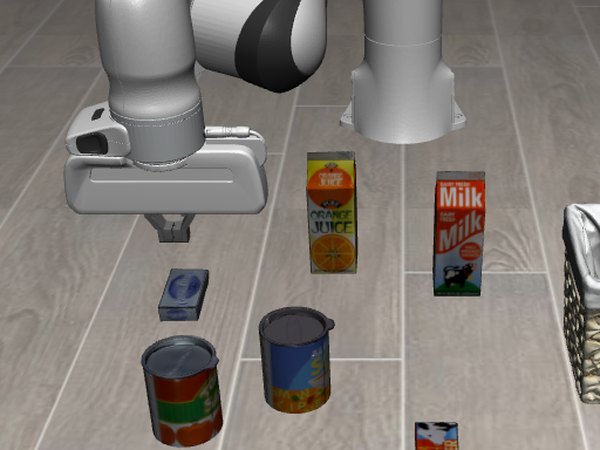
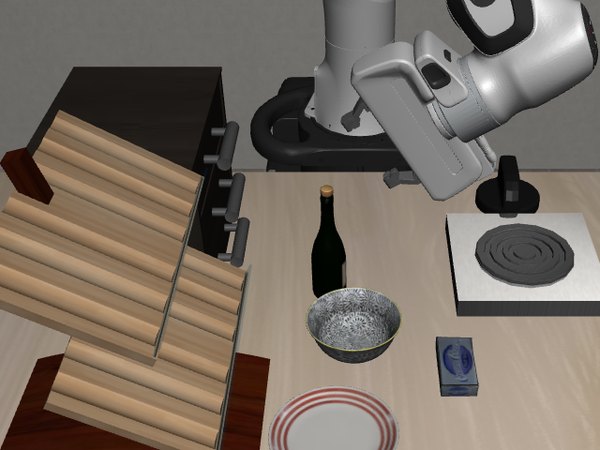
VLM coding agent
Localize→Diagnose→Edit code
pick(graspnet(detect("fan")))
+ if not vlm_check("fan held?"):
+   pick(graspnet(detect("fan")))
place(on=detect("mat"))
MolmoSAM3GraspNetVLMM · top-k
Solution routes
Harness
move_to(pose)pick(obj)place(obj, tgt)run_policy(
)
verified trajectories
Training data
Task sampling
Policy update
SFTCPDEWC+ PPO
Evaluate & select
candidatevsprevious
Policy
VLA / WAM
✓ ✕
(b) Harness → Policy · H2P
rollouts → failures
Select a stage to stop on it; route outcomes are schematic.
03 · Solution search
Reuses existing code skills, then refines them.
Extracts structure and timing from one demonstration in .
Calls the current policy as a learned motor primitive.
First-round task success without and with repair. Main paper · Table 4
The smoothest verified solution, with the lowest normalized jerk, is kept.
Recorded replay · LIBERO-PRO
Code
Code+ICL
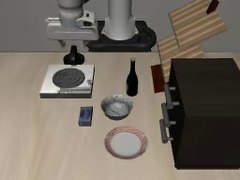
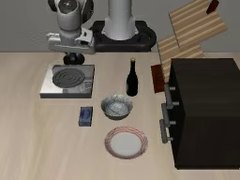
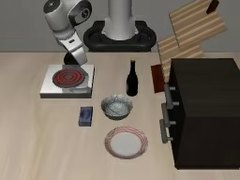 demonstration in context
Code+Policy
Every frame is replayed from the recorded actions. code skillpolicy callin-context demonstration
04 · Harness integration
Swipe sideways to see all five steps →
Perception
Grasping
Placing
Contact
Policy
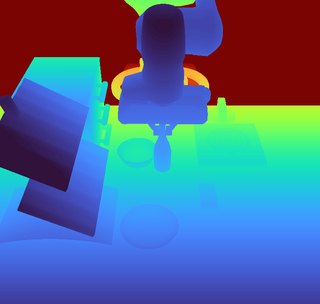
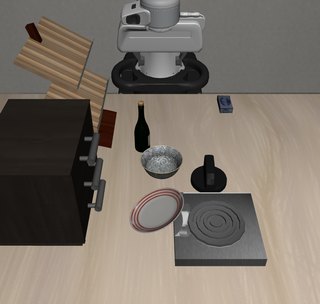
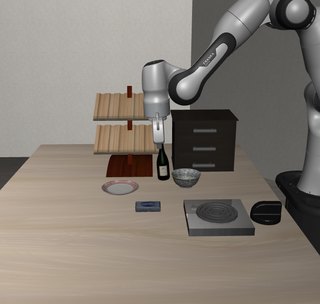
✎ world-axis offsets, bound first
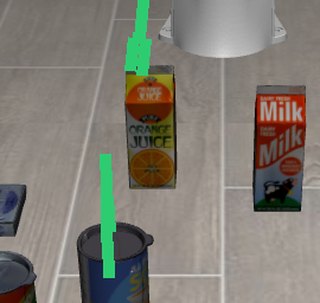
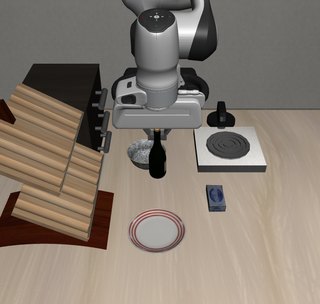
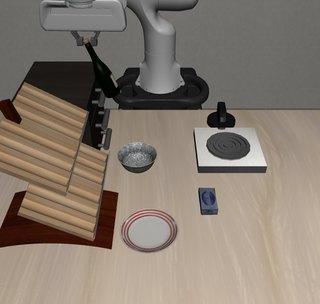
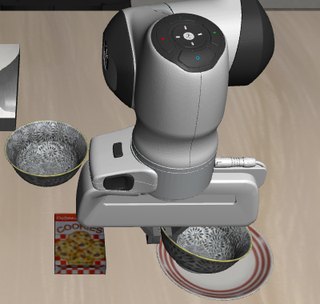
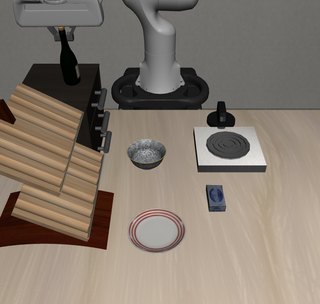
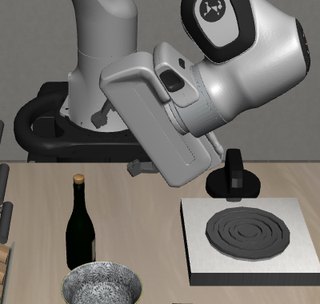
✎ one approach-length argument
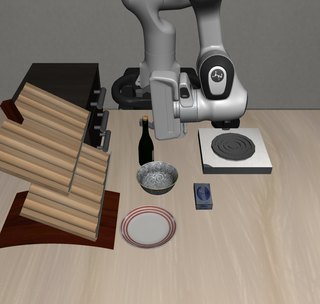
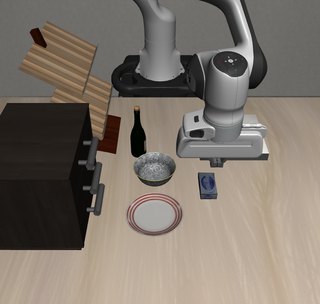
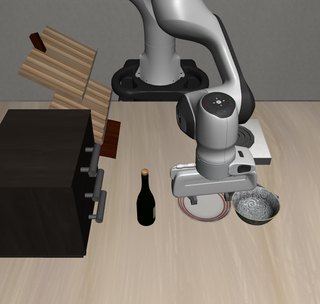
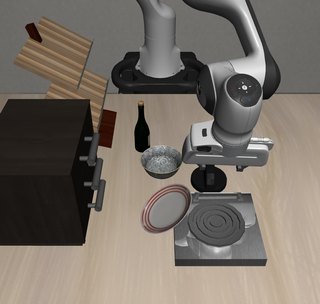
General memory 6
Experiences 0
Skills in the harness
10
The tree above shows part of the harness.
PerceptionGraspingPlacingContactPolicyMotion & planning+ added skill✎ in-place revision
L · Skills
New or refined skills such as bound_grasp and bound_place.
M · Memory
Lessons that keep working are promoted to general memory.
ρ · Routing
Decides which subgoals go to code skills and which to the policy.
Cross-embodiment transfer
The harness evolved on ALOHA AgileX runs frozen on other robots; only the control interfaces change. Main paper · Table 7
05 · Counterfactual Preference Distillation
Loss change on each target since the start of the round.
Favors the correction over the failure, up to a margin .
The correction must not get worse, and the failure is not pushed too far.
Plus EWC, which penalizes changes to parameters that earlier tasks rely on.
Each term helps · standalone success, LIBERO-PRO Main paper · Table 5
Same data, initialization and EWC settings in all three rows.
Failure-aware task sampling
Half the probability is uniform and half follows failure; the success rates shown are illustrative.
06 · Results
Main paper, Figure 3. Unlabelled API costs are read from the plotted points.
Ablation · joint evolution
LIBERO-PRO after three rounds. Main paper · Table 3
Ablation · EWC
Without EWC, success on the original LIBERO tasks drops by 20.5 pp.
Ablation · coding agent
Same rounds, initial policy and harness; only the agent changes.
Repeatability
83.7 ± 1.4
Standalone success after eight LIBERO-PRO rounds.
07 · What gets repaired
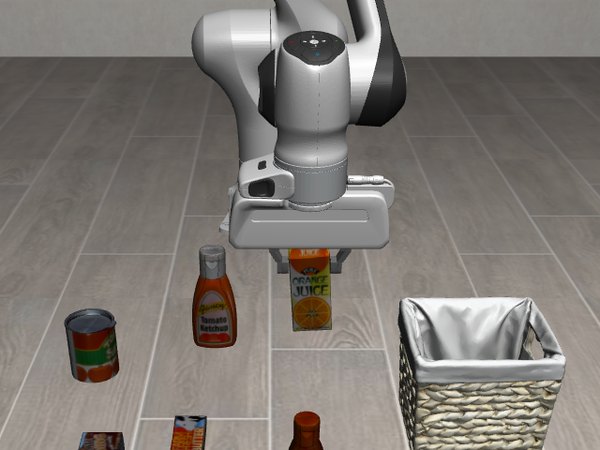
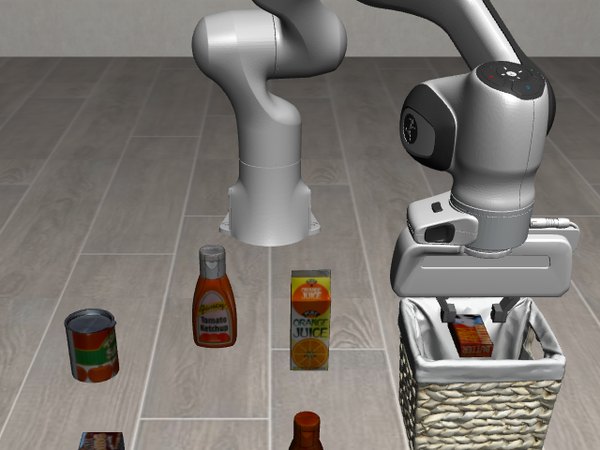
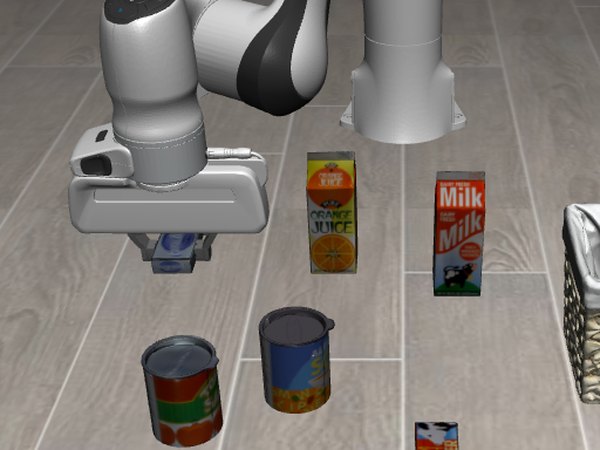
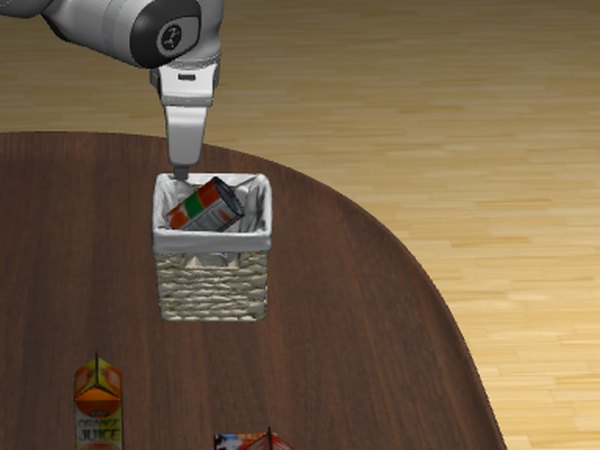
bound_grasp.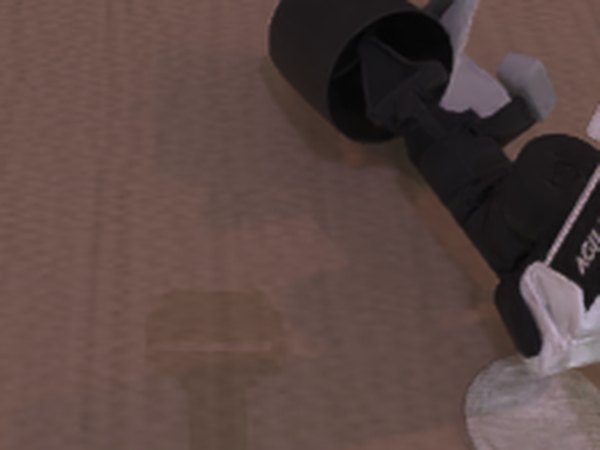
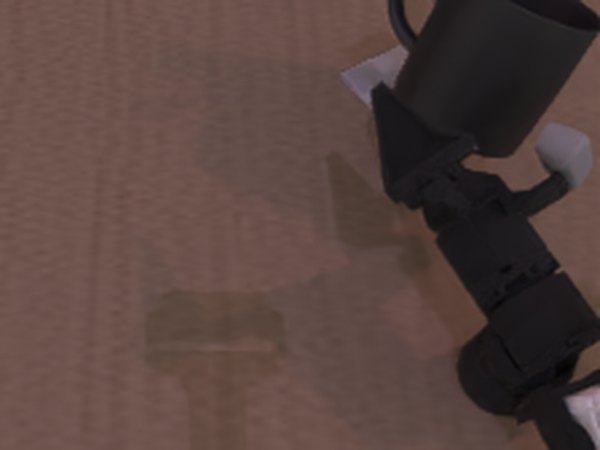
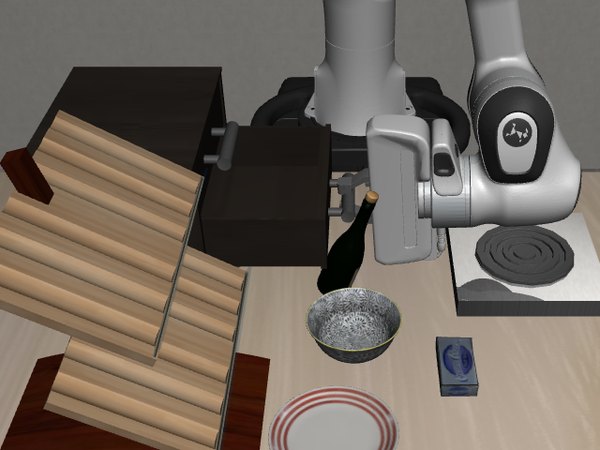
bound_drawer_pull, bound_surface_stroke.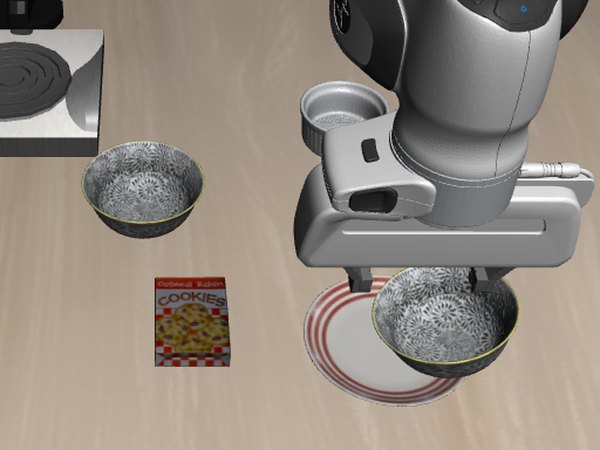
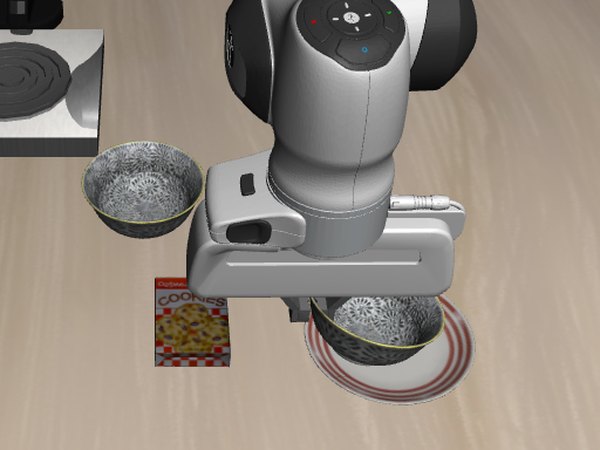
bound_place, bound_transfer.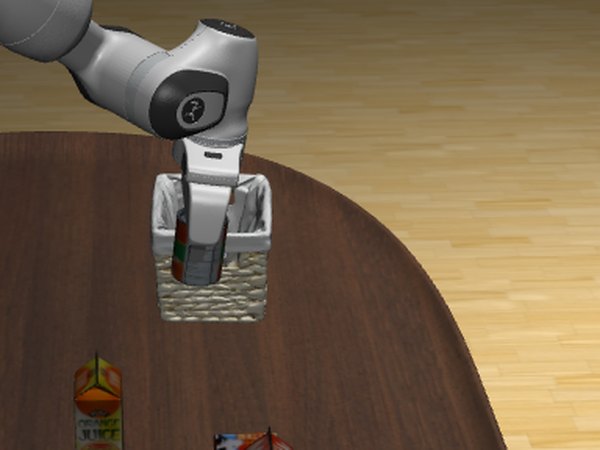
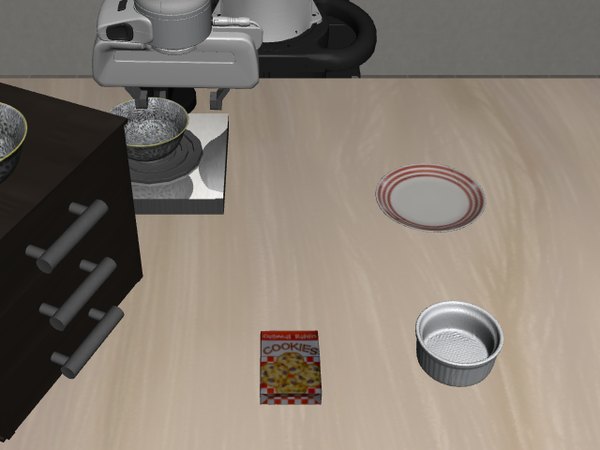
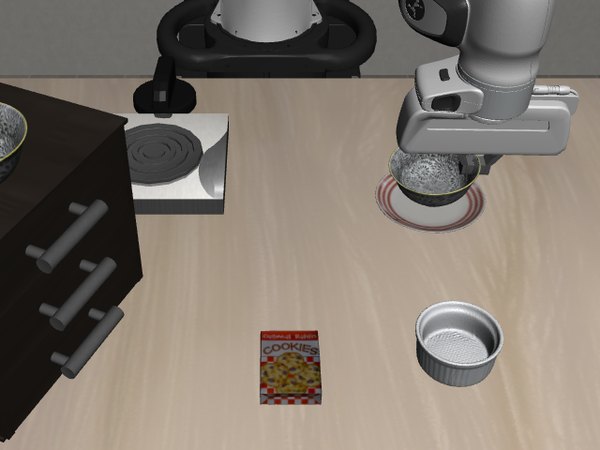
vla_act calls and routing ρ.08 · Real robot · Unitree G1-D
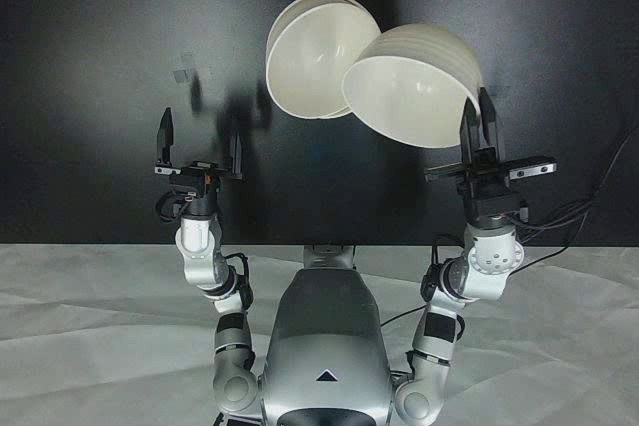 Stack bowls
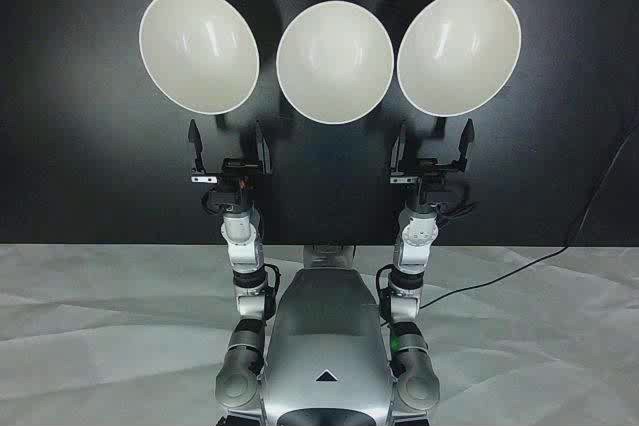
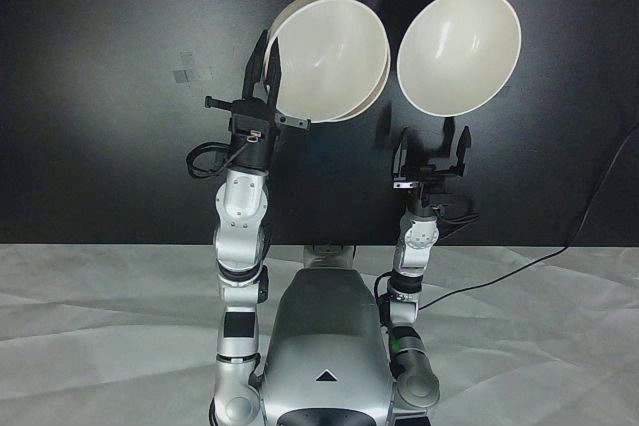
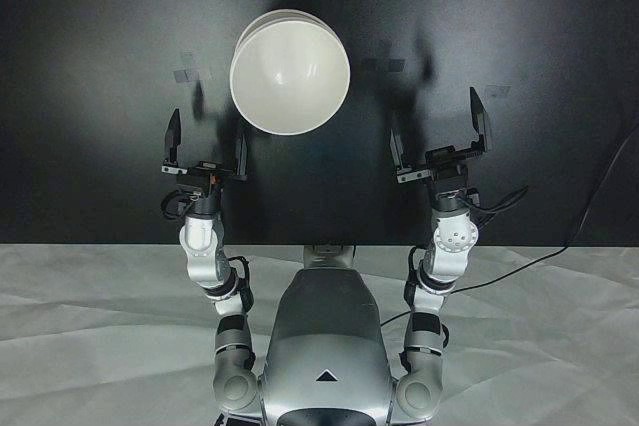
Lift a bowl onto the stack
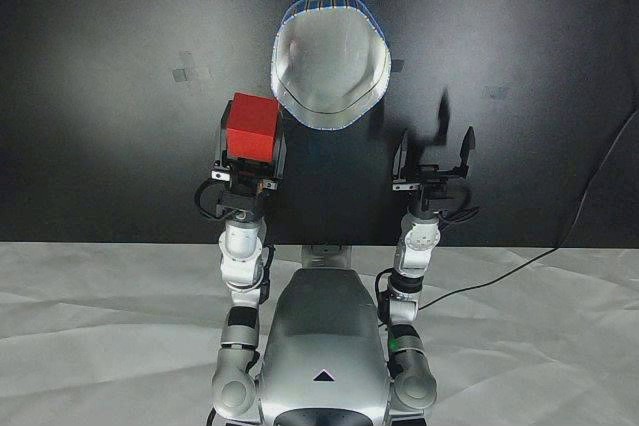 Relocate a block
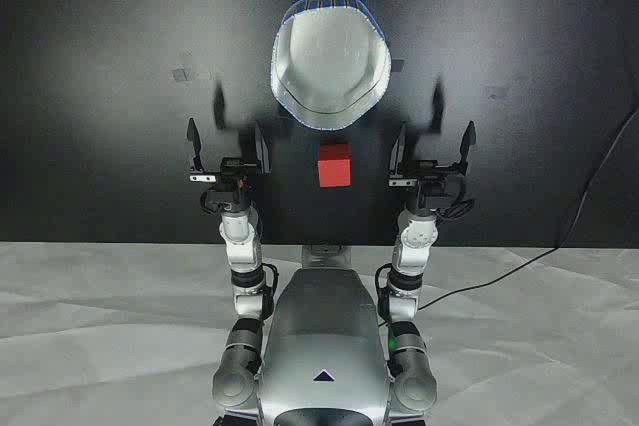
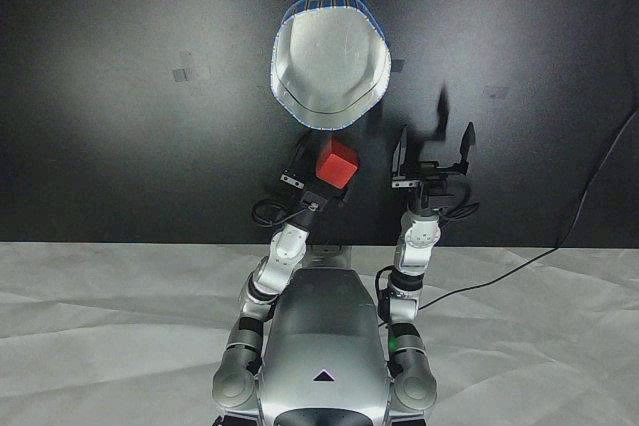
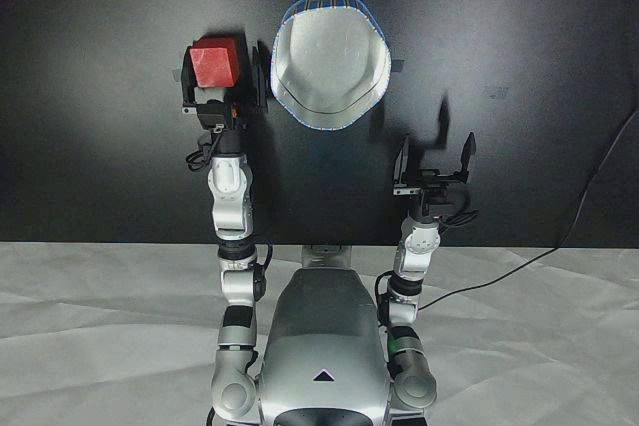
Move the block beside the container
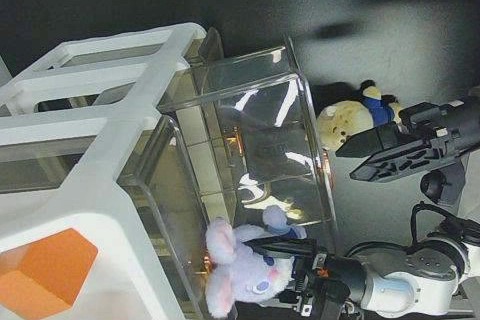 Insert a toy
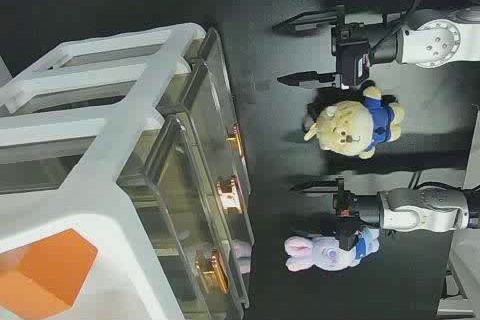
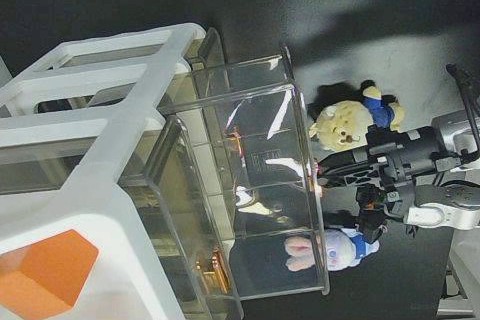
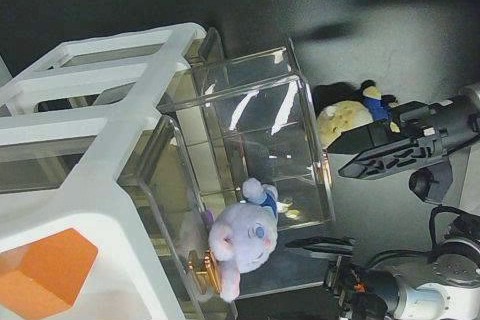
Lower the toy into the open drawer
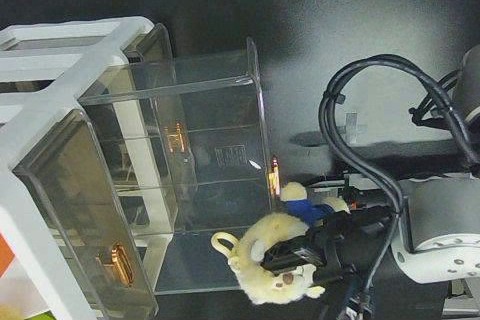 Retrieve a toy
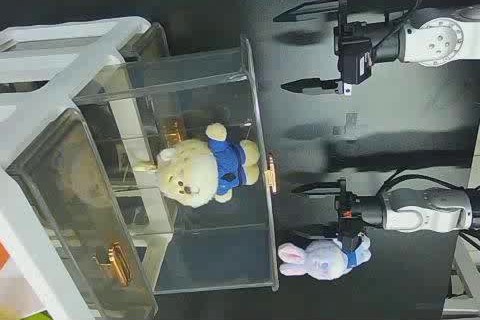
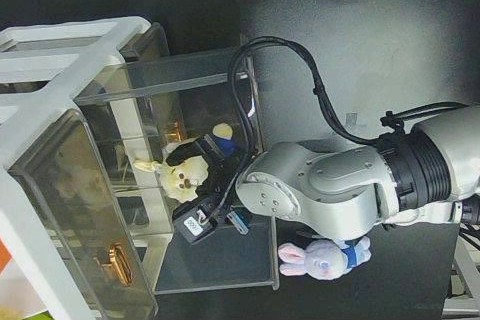
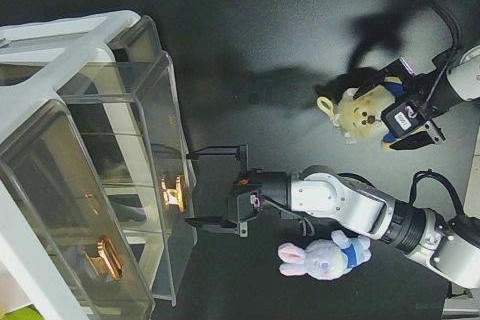
Lift the toy out of the drawer
Citation
@article{liu2026roboevo2,
  title   = {RoboEvo$^2$: Recursive Robot Self-Improvement via Harness--Policy Co-Evolution},
  author  = {Liu, Chenzhi and Lin, Jiehong and Huang, Wei and Huang, Xuzhao and Li, Haoyuan and Zhang, Yang and Huang, Junchao and Cai, Chenyeyang and Wang, Bo and Kosuge, Kazuhiro and Wang, Zhongrui and Qi, Xiaojuan},
  journal = {arXiv preprint arXiv:2611.34675},
  year    = {2026}
}